How Electric Scooters Are Transforming Urban Mobility: Discover Their Benefits and Emerging Trends
Electric scooters are increasingly becoming a key element in city mobility. Their compact size and eco-friendly design address the challenges posed by congested city environments. As local governments develop the infrastructure needed for these modes of transport, their popularity continues to rise. Yet, concerns persist regarding safety standards, regulatory frameworks, and technological progress. Grasping the complete effect of e-scooters on city transportation may reveal more than just convenience; it could fundamentally transform the way urban areas operate.
The Growth of Electric Scooters in City Environments
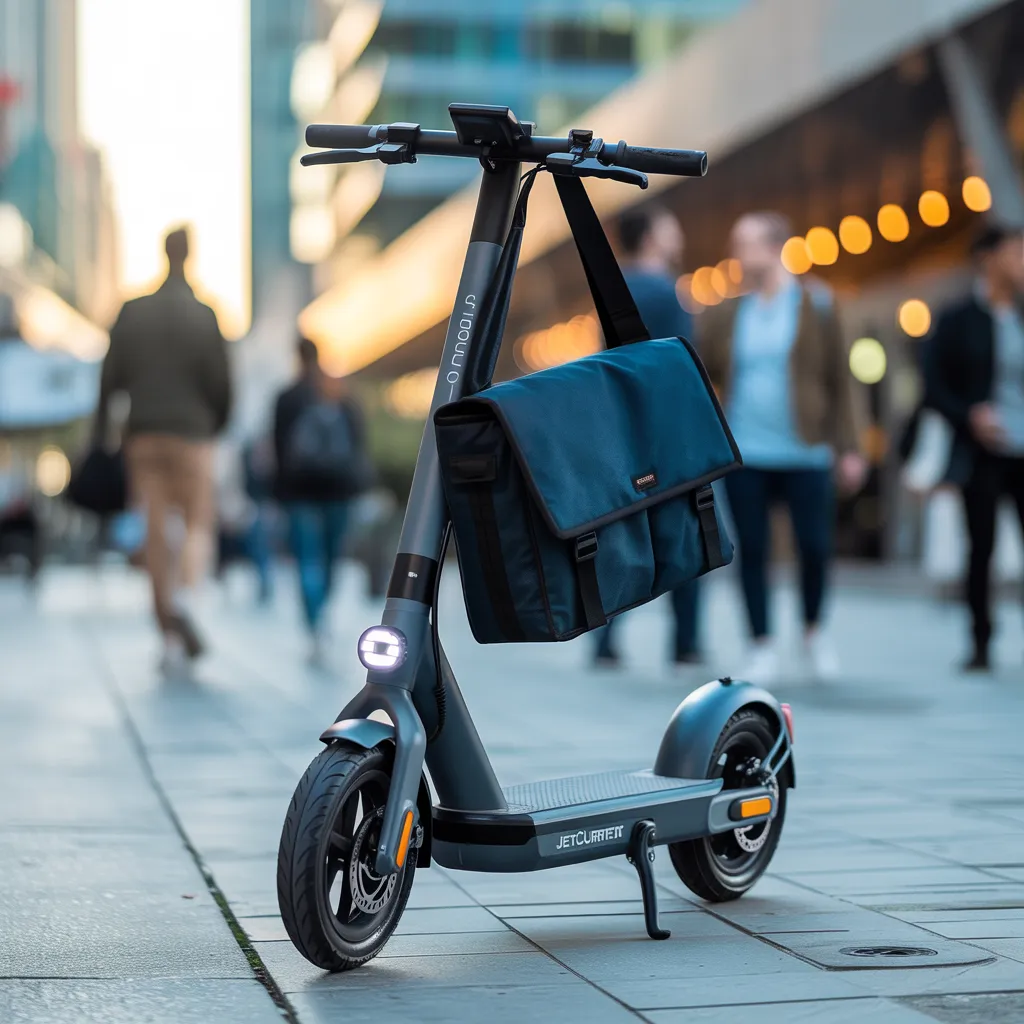
As metropolitan regions contend with growing traffic issues and ecological challenges, electric scooters have established themselves as a sought-after solution for urban mobility. Their rise can be attributed to several factors, among them the requirement for effective and environmentally responsible transit choices. Many urban dwellers seek flexible and affordable means to navigate dense city landscapes, where standard automobiles regularly struggle to operate efficiently.
The introduction of scooter-sharing initiatives has further accelerated their uptake, allowing users to access scooters at any time without the burden of ownership. This system is especially attractive particularly to younger demographics who value convenience and eco-friendliness. Furthermore, municipalities are increasingly recognizing the capability of electric scooters to ease traffic buildup and minimize carbon emissions.
As the infrastructure adapts to support these vehicles, cities are channeling investments into designated lanes and parking solutions, guaranteeing that electric scooters are woven into the fabric of urban mobility. This development highlights a transformative shift in the way individuals approach daily commuting across metropolitan regions.
Five Important Advantages of Electric Scooters for Daily Commuters
Electric scooters offer urban commuters numerous important benefits that improve their everyday commuting experience. First, they deliver a convenient transportation solution, allowing users to easily navigate congested city streets and reach their destinations swiftly. Second, electric scooters are frequently more economical compared to conventional modes of transport, reducing fuel and parking costs for commuters. Third, their compact design makes them well-suited for metropolitan areas, letting commuters park in confined spaces with ease. Beyond that, electric scooters contribute to reduced environmental impact by emitting no pollutants, fostering improved air quality in urban areas. To conclude, they encourage a more active lifestyle, as using a scooter offers a fun departure from inactive commuting options. Combined, these merits establish electric scooters as a compelling and functional selection for city commuters looking for effective and eco-friendly ways to travel.
Electric Scooters: A Remedy for Traffic Congestion
Electric scooters present an attractive alternative to traditional transportation methods, possibly reducing road congestion in cities. By providing increased mobility options, they promote movement away from personal vehicles and lead to a decrease in traffic. Furthermore, their environmental benefits align with rising interest in urban air quality and sustainability.
Lowered Road Congestion
Urban areas struggle with increasing traffic congestion, driving the need for forward-thinking remedies. Electric scooters stand out as a practical choice, considerably reducing the number of vehicles on the road. Their small form factor enables efficient navigation through busy city streets, allowing commuters to avoid common traffic gridlock. By offering a substitute for automobiles for quick commutes, electric scooters contribute to lowering general road congestion levels, contributing to smoother traffic flow. Moreover, they demand less parking space, also reducing overcrowding in densely populated areas. As municipalities incorporate electric scooters within their transportation networks, the opportunity for eased road crowding becomes increasingly evident, resulting in a greener city environment and enhanced well-being for city consult this source inhabitants.
Expanded Mobility Solutions
As urban areas struggle to offer effective transportation solutions, electric scooters offer an impressive answer by improving mobility. These scooters deliver a versatile travel option that supports established public transit infrastructure, enabling riders to cover brief distances with ease. Through offering a substitute for conventional automobiles, electric scooters decrease dependency on traditional vehicles, contributing to reduced road congestion. Their availability promotes spontaneous travel, permitting commuters to arrive at places that could be challenging to access through alternative methods. Additionally, electric scooters serve a broad spectrum of people, ranging from regular commuters to sightseers, establishing them as a flexible choice within city settings. As urban centers keep developing, electric scooters will assume a vital part in redefining the future of urban mobility.
Environmental Advantages
As cities struggle with increasing traffic challenges and pollution levels, electric scooters stand out as a viable solution with considerable ecological benefits. These compact vehicles emit zero exhaust emissions, supporting better air quality in urban environments. By encouraging short-distance travel, electric scooters reduce reliance on conventional automobiles, which represent significant sources of harmful emissions. Moreover, their compact design allows for efficient use of urban space, reducing parking requirements and limiting urban sprawl. Research suggests that greater scooter adoption can significantly reduce traffic levels, resulting in less congestion and enhanced public transportation performance. As urban areas incorporate electric scooters within their mobility frameworks, they create the foundation for a more sustainable and environmentally friendly urban environment.
Green Benefits of Electric Scooters
Electric scooters offer considerable ecological benefits that can promote more sustainable urban transportation. By lowering carbon output and easing traffic congestion, they present a greener option to conventional vehicles. Moreover, the reduced noise levels of electric scooters works to minimize sound pollution in densely populated areas.
Reduced Carbon Emissions
Sustainability presents itself as a crucial consideration in urban transportation, underscoring the considerable environmental benefits of electric scooters. Such vehicles emit zero tailpipe emissions, delivering an eco-friendly substitute to standard fuel-driven transportation. By replacing quick vehicle rides, electric scooters contribute to a meaningful decline in greenhouse gas emissions, helping to address climate change. The reliance on electric scooters also encourages a move toward renewable energy sources, as a growing number of charging stations are being run on solar or wind energy. Moreover, their compact build needs reduced power to operate relative to larger vehicles, additionally reducing their carbon footprint. As urban areas embrace electric scooters on a broader scale, the possibility of decreased city air contamination and improved public health remains ever more clear.
Decreased Traffic Congestion
The adoption of electric scooters into city transportation networks significantly reduces traffic congestion. By offering a practical and effective substitute to traditional vehicles, electric scooters contribute to reducing the number of cars on the road. This shift not only enhances road utilization but also minimizes travel times for commuters. As more individuals opt for scooters for short trips, the general level of traffic declines, leading to smoother flow in urban areas. Moreover, electric scooters take up less room than cars, enabling better utilization of parking and roadways. As cities adopt this form of transportation, the cumulative effect can substantially alleviate gridlock, fostering a greener metropolitan setting and boosting the overall quality of urban life.
Decreased Noise Pollution
City landscapes often suffer from excessive noise pollution, which can negatively impact residents' physical and mental health. Electric scooters provide a practical answer to this problem, as they operate quietly compared to standard combustion engine vehicles. By minimizing the noise created across urban areas, electric-powered scooters support a more peaceful environment, promoting better mental health and enhancing the quality of life for metropolitan inhabitants. Furthermore, as more commuters opt for electric-powered scooters over cars, the general acoustic environment of cities can move toward a quieter atmosphere. This reduction in noise pollution not only benefits residents but also inspires communities to embrace sustainable transportation options. As a result, e-scooters play an vital role in creating cleaner, more comfortable urban spaces.
Remaining Safe While Operating Your Electric Scooter
Operating an electric scooter requires vigilance and awareness to maintain safety on bustling city streets. Scooter users should always wear a helmet, as this considerably reduces the risk of head injuries in case of accidents. It is important to learn about local traffic laws, as regulations can differ greatly by city. Riding at a controlled speed and maintaining adequate space from vehicles and pedestrians enhances overall safety.
In addition, cyclists need to watch out for various obstacles such as sudden obstacles, potholes, and road debris. Using hand signals when turning or stopping can also communicate intentions to others on the road. Night riding necessitates the use of reflective gear or lights to improve visibility. Ultimately, eliminating distractions such as phones fosters more focused riding. By observing these precautionary steps, users of electric scooters can experience a more secure and conscientious ride while traversing urban environments.
Evolving Trends in Electric Scooter Utilization
In what ways is the use of electric scooters changing across urban environments globally? More and more, cities are incorporating electric scooters into their transit networks, addressing the rising need for sustainable and effective commuting solutions. Cities are implementing dedicated scooter lanes and parking zones, enhancing safety and accessibility.
Moreover, data-centric strategies are on the rise, permitting urban planners to assess usage data and streamline service allocation. This movement is encouraging alliances between local authorities and scooter operators, resulting in more calculated investments in infrastructure.
In addition, innovations in tech are transforming user experiences, with functionalities like GPS tracking and smartphone integration now considered essential. The rise of subscription-based plans is clearly noticeable, giving users flexible payment options.
As governing policies shift and adapt, these advancements are poised to further influence city transportation patterns, positioning electric scooters as a cornerstone of future urban planning.
Common Questions and Answers
How Do Electric Scooters Stack Up Against Bikes in Urban Environments?
Electric scooters generally offer quicker, more space-efficient travel compared to bicycles, perfect for brief journeys. That said, bikes deliver more exercise opportunities and better balance. In the end, the decision relies on individual preferences and specific urban environments.
What Are the Expenses Involved in Owning an Electric Scooter?
Owning an electric scooter involves preliminary acquisition fees, maintenance expenses, coverage costs, and possible recharging expenses. Furthermore, riders may encounter docking costs and demand accessories, each adding to the total monetary investment of possession.
Are Electric Scooters Appropriate for Every Age Group?
Electric scooters are generally suitable for various age groups, as long as riders follow established safety guidelines. Nevertheless, younger riders may benefit from parental supervision, whereas older adults should take into account their physical abilities and ease with balancing and steering.
How Do Weather Conditions Affect Electric Scooter Usage?
Weather plays a significant role in the use of electric scooters. Rain, snow, and extreme temperatures discourage riders because of safety risks and discomfort, while calm and dry meteorological conditions promotes more regular ridership, boosting the general rider experience and ease of access.
What Laws Oversee Electric Scooter Operation in City Limits?
Rules overseeing e-scooter use within city limits frequently cover helmet requirements, insurance mandates, speed limits, age restrictions, and designated parking areas. Such regulations are designed to promote safer travel, alleviate urban congestion, and embed scooters within established transportation networks.